We include products we think are useful.
If you buy through links on this page, we earn a small commission
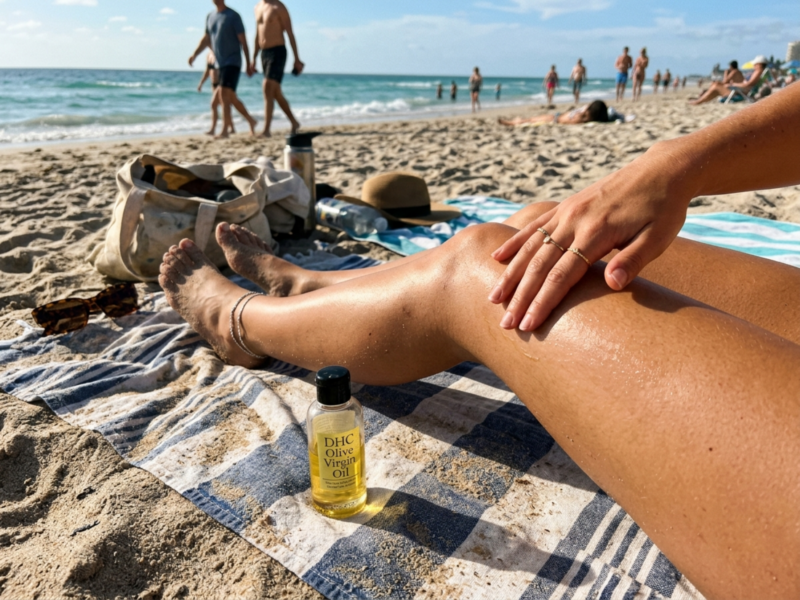
If you’ve ever gone down a summer beauty rabbit hole, you’ve probably stumbled across the idea of using olive oil for tanning—and wondered if it’s genius… or a little unhinged.
It sounds almost too simple. The same bottle sitting in your kitchen—drizzled over salads, used for cooking—somehow doubling as a shortcut to that deep, golden, vacation glow? No expensive products, no complicated routine. Just olive oil, sunshine, and time.
And yet, the more you look into it, the more you realize this isn’t some random internet trend. The idea of olive oil for tanning has been around for decades—passed down through beach days, family vacations, and those “old school” beauty rituals that people swear by but rarely explain properly.
I kept seeing it everywhere. TikTok girls laying out with glowing skin. Travel photos where everyone looks effortlessly bronzed. Comments claiming olive oil helps you tan faster, deeper, and more evenly. Naturally, I had questions.
Does olive oil for tanning actually work?
Does it help you achieve that rich, sun-kissed color everyone is after?
Or is it just one of those beauty myths that looks better in theory than in real life?
As someone who cares about both skin health and getting that perfect glow, I didn’t want a vague answer—I wanted to understand the real experience of using olive oil for tanning. Not just what it does on paper, but how it actually feels, looks, and performs in the sun.
So I tried it. I paid attention. And I learned pretty quickly that olive oil for tanning isn’t as straightforward as people make it sound.
Before you grab a bottle and head outside, there are a few things you should know—because depending on how you use it, olive oil can either enhance your glow… or work against you entirely.
Best Olive Oil Products for Your Skin (Amazon Finds)
If you’re curious about using olive oil for tanning but don’t love the idea of rubbing straight-up kitchen oil on your body (understandable), this is where things get a lot better.
Through trial and error, I realized the experience of olive oil for tanning completely changes depending on the formula. Pure olive oil can feel heavy, greasy, and honestly a little unpredictable in the sun. But when it’s refined or blended specifically for skincare, you get that same glow—without feeling like you’re roasting.
These are the olive-oil-based products I actually reach for when I want hydrated, luminous skin without the mess:
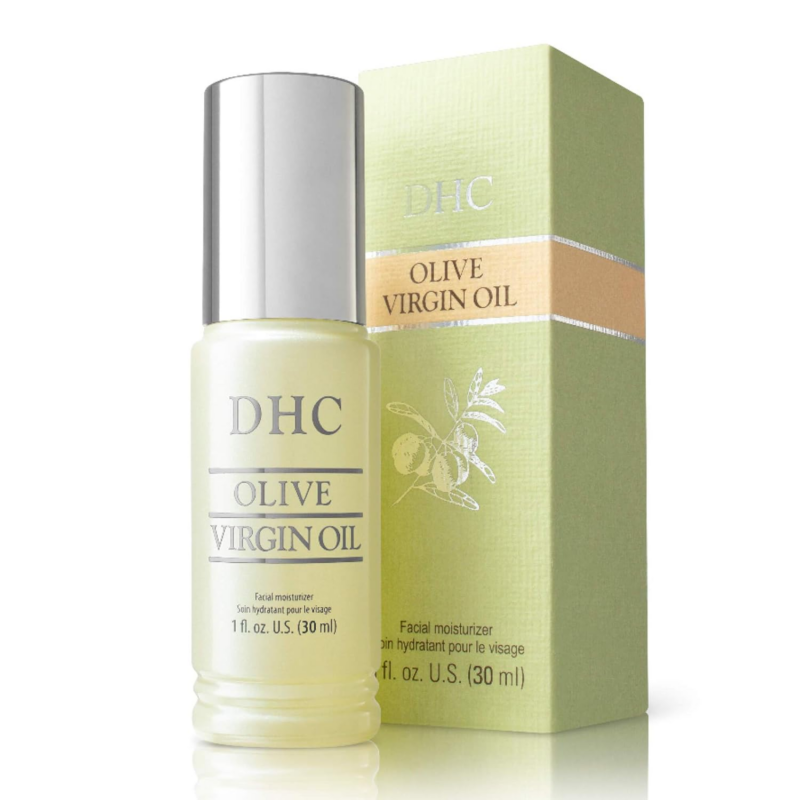
DHC Olive Virgin Oil
A true cult favorite for a reason. It’s organic, ultra-refined, and incredibly lightweight compared to traditional olive oil.
What I love most is that it melts into the skin instead of sitting on top—so you get glow, not grease.
View on Amazon
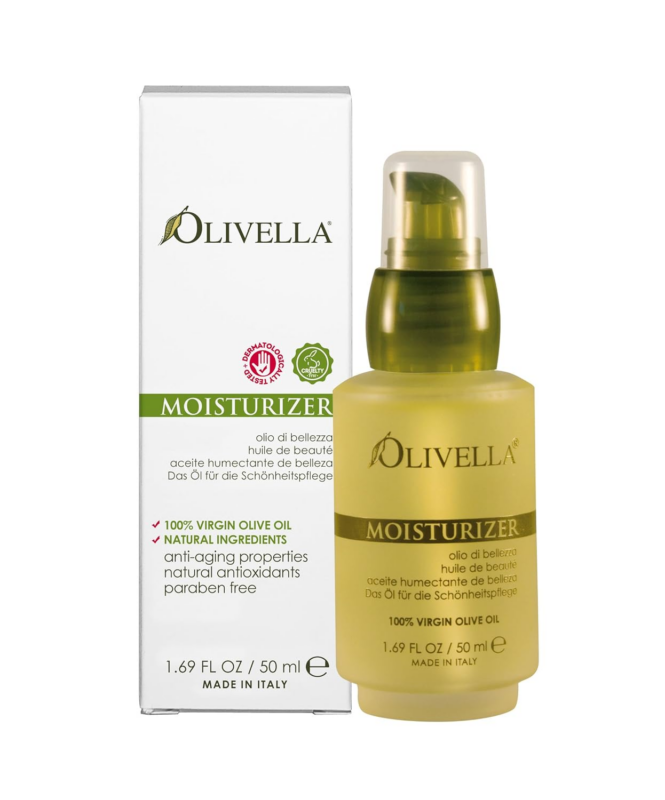
Olivella Moisturizer Oil
Made from 100% virgin olive oil, but processed in a way that absorbs quickly and evenly.
This is my go-to when I want that “glazed skin” look without feeling sticky or overheated.
View on Amazon
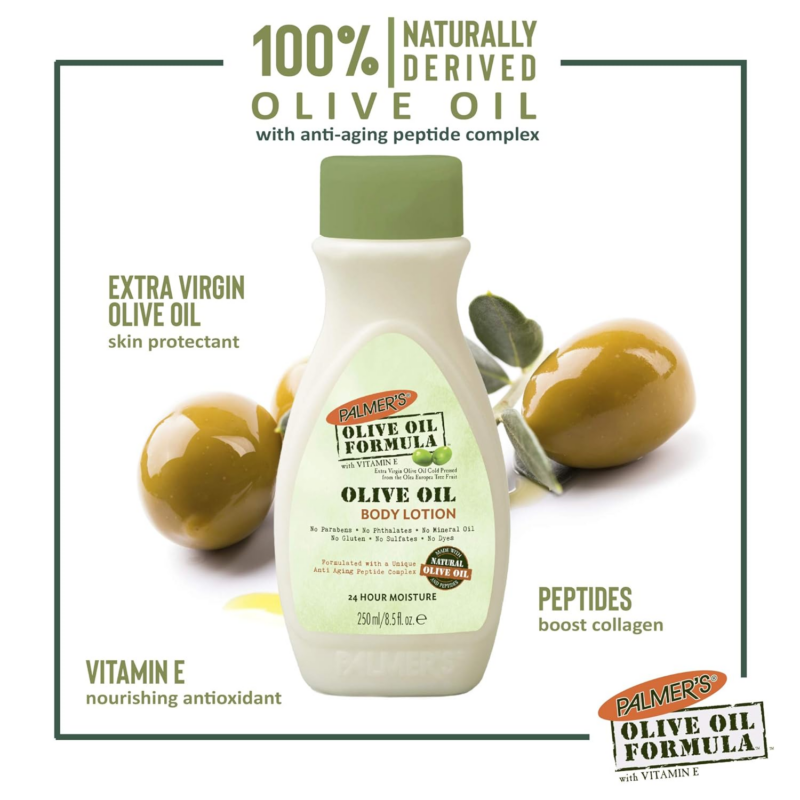
Palmer’s Olive Oil Formula
If you want something budget-friendly that still delivers, this is a solid option.
It blends olive oil with Vitamin E, so you’re getting hydration and a little extra skin support after sun exposure.
View on Amazon
Bona Furtuna Bi-Phase Oil
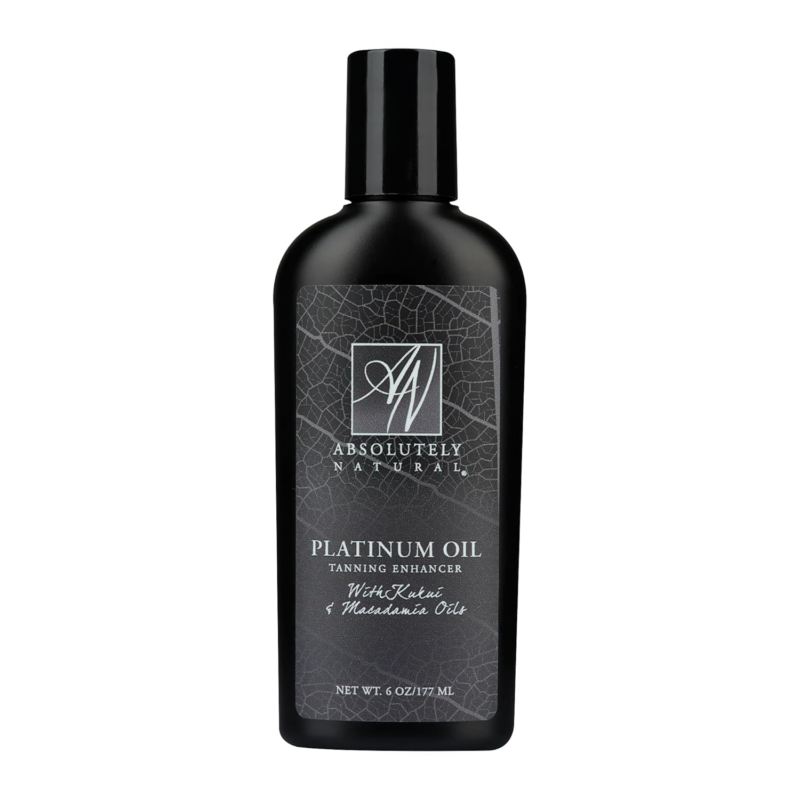
This is the elevated, luxury version of olive oil for tanning.
Sourced from Sicily and combined with Vitamin C, it feels more like a skincare ritual than a beach hack—and your skin looks noticeably brighter and smoother.
View on Amazon
Is Olive Oil Safe for Your Face?
Here’s where I’d be a little more cautious.
While I like using olive oil for tanning on my body, I personally avoid putting it directly on my face—especially in the sun. Olive oil is a heavier, more occlusive oil, which means it can trap heat and potentially clog pores if you’re acne-prone.
If your goal is that same dewy, sunlit glow on your face, a better option is olive-derived squalane. It gives you that soft, hydrated finish without the risk of breakouts or congestion.
For me, it’s a simple rule:
olive oil for the body, squalane for the face.
The Verdict
So—does olive oil for tanning actually work?
Yes… but probably not in the way most people think.
It’s not a magic shortcut to a deeper tan, and it definitely shouldn’t replace sun protection. But when used intentionally, it can enhance the look of your skin—adding hydration, softness, and that subtle, light-catching glow.
The biggest shift for me was this:
I stopped treating olive oil as a tanning tool—and started treating it as a finishing step.
Because at the end of the day, the best glow isn’t just about how dark your tan gets. It’s about how healthy, smooth, and hydrated your skin looks in the sunlight.
And that’s really the goal.